The Meaning of Meat

by D. R. Hildebrand

Whenever possible, I avoid buying food at airports.  Earlier this month though, I was in a bind, saw a Qdoba, and decided to make an exception.  I got the rice, the beans, the roasted veggies, and said no to the meat, cheese, and sour cream, and at the end of the line asked for guacamole.  Apparently, when one orders certain vegetables and not others, the guacamole is not included—irrespective of the fact that no meat, no cheese, and no sour cream are part of the meal.

I told the manager I could have ordered a chicken burrito for the same price as a vegetarian one, or a beef burrito for thirty cents more; but asking for guacamole without any of the meat or dairy and it cost me more than all of them combined.  He looked at me like I had just informed him that water is wet and said, “Yeah, that’s right.”  Dumbfounded and annoyed, I asked him what, then, was the meaning of meat, and took my money elsewhere.

Not long before this I was out at a low-key restaurant in Brooklyn and I ordered a veggie burger.  The bill came and my friends and I passed it around, seeing what each of us owed, and I realized their meat burgers were priced the same as my veggie burger.  When the server returned I asked if there was a mistake.  She said no.  I asked her how that could be.  She said my veggie burger had come with a homemade sauce.  I cocked my head and raised a brow and she said, “Look, we’re not exactly serving high-quality meat here.”

Clearly!  Still, the answer begs the question—not just of this one restaurant or of Qdoba alone, but of numerous establishments—what are you serving?  And more so, what is it really worth?

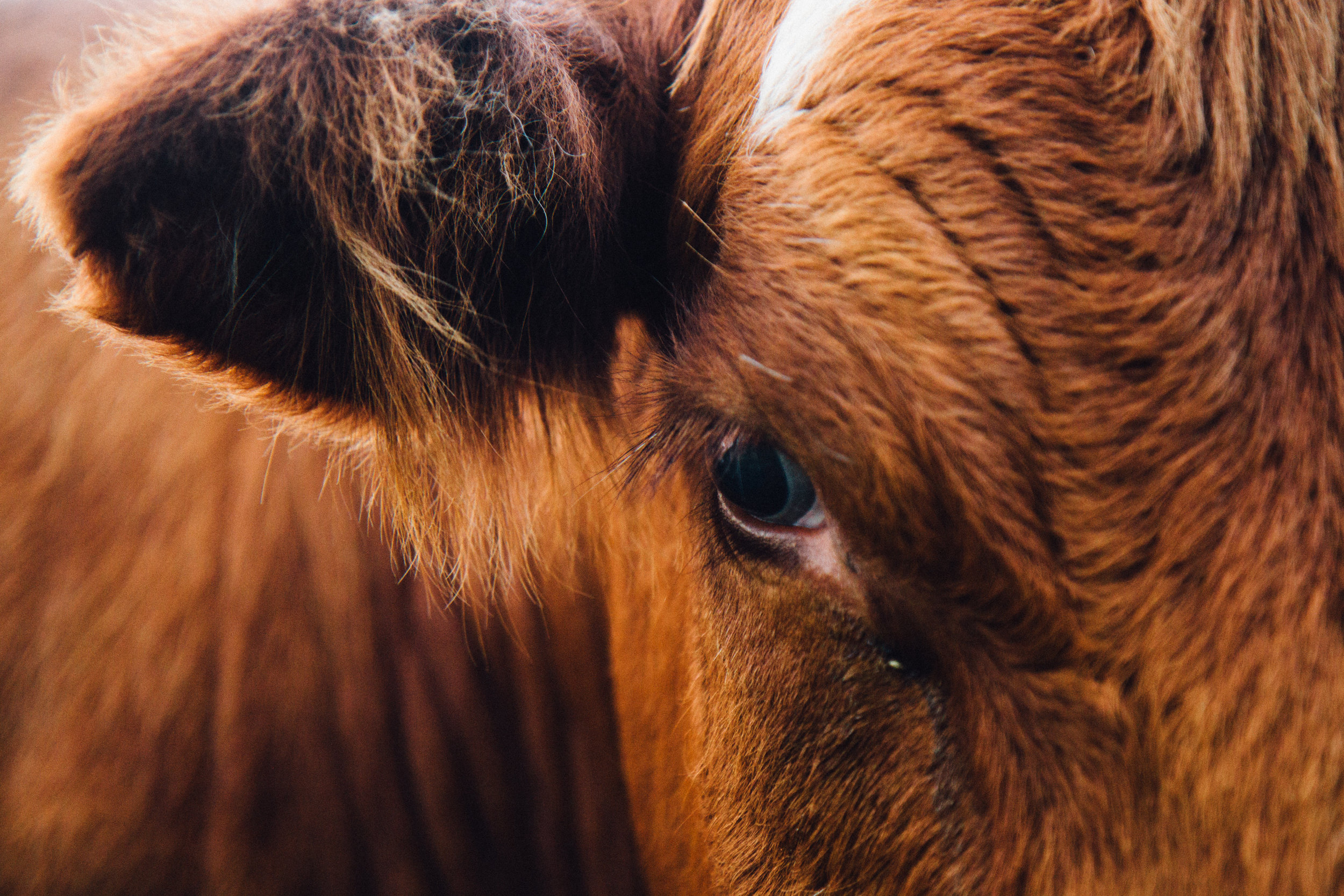
Image by Christopher Rogers

Attempting to comprehend the true cost of meat is all but futile.  The numbers are astronomical and in some cases incalculable.  We can, however, certainly consider these expenses by name and surmise the respective price tags they carry.  Just addressing something as basic as land use, the United Nations Environmental Program reported in 2010 that 38% of all land is assigned either to growing livestock or food for livestock.  Growing and transporting billions of animals, and their food, comes at a cost, not to mention the gobs of fertilizer and the 90% of all pesticides they exploit.  Then, after years of fattening these animals they have to be transported once again.  Then they have to be slaughtered.  Then they have to be cut.  Then they have to be cleaned and inspected and packaged, and transported yet again.  Countless employees must be compensated.  Throughout the entire, cumbersome process, all 215 million tons of meat we consume annually must be kept refrigerated or even frozen.  Merely striving to prevent the epidemics we foresee from this system, we spend additional billions of dollars—then many billions more when it fails.  None of this even approaches the more abstract, unseen costs of deforestation, water pollution, waste management, or the 18% of all greenhouse gas emissions generated by such a monstrous, inefficient, inconceivably expensive industry.

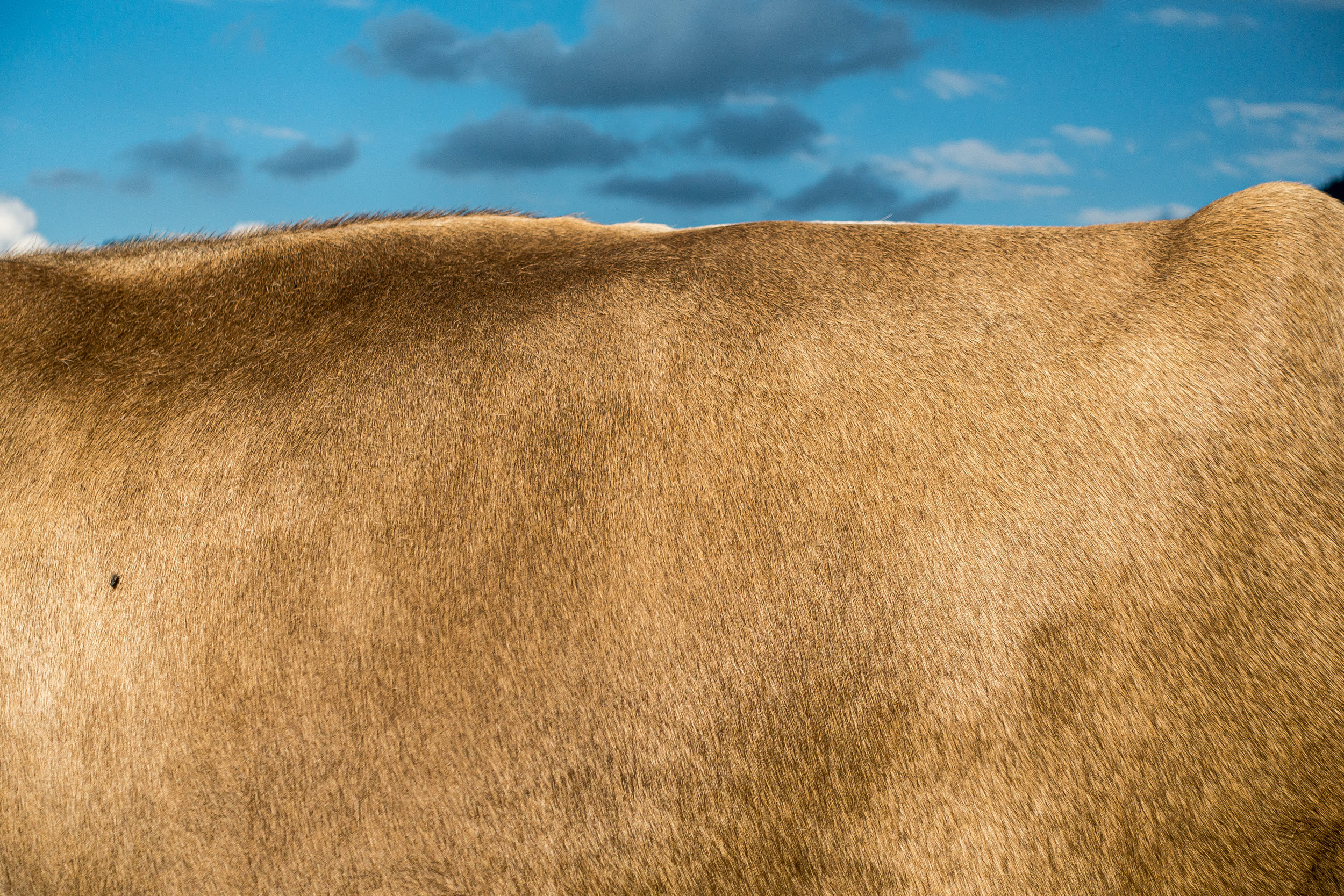
Cattle

Nevertheless, one little dollop of guacamole in my burrito costs me an extra fifty cents.

Because, aside from the taxpayers in New Zealand where as far back as 1984 the government recognized the ills of environmental degradation, mass overproduction, and inflated land prices, we pay for it all.  Vegan or omnivore, as long as we pay taxes we subsidize the entire process.

In the United States we grant an average of $20 billion per year to the meat and dairy industries.  Of all food-related subsidies, two-thirds goes to animals destined for slaughter, one-fourth goes to humans for direct consumption, and not one penny goes to the growing of fruits or vegetables.  The system is so antiquated and uneconomical that today three-quarters of these direct subsidies go to the top 10% of commodity-crops owners, even while the original intent of such 1920s bills was to keep small family farms, not mega corporations, from going out of business.

In a rational world we wouldn’t subsidize such a ruinous industry, but tax it.  If we desire meat as much as we think we do, having it should come not at a discount, not generously and freely, but with a levy, just as with alcohol, with cigarettes, and with airfare—and ideally one day oil.  The proposal might sound absurd but if, for example, we were offered a vodka-and-orange juice for the same price as an orange juice alone would we not question the vodka?  Or if we flew and never paid taxes for the flights would we not wonder how things like infrastructure, inspections, basic maintenance, and security were all financed?  None of this is at all different than a burrito or a burger.  Transporting, mutilating, housing, injecting, feeding, killing, cutting, cleaning, packaging, freezing, and distributing an animal comes at a cost.  Given away, it is meaningless.

New Warrior

• I am feeling incredibly inspired by vegan warrior, Damien Mander and the amazing work he does for animals and the environment through the IAPF (international Anti Poaching Foundation). He spoke at Ted X Syndney, and you simply must watch his powerful talk below:

“Thirty-three year old Damien Mander served as a special operations sniper and clearance diver for Australia. Whilst deployed in Iraq he project managed the Iraq Special Police Training Academy, overseeing training of up to 700 cadets at one time. Following three years on the frontline of the Iraq war he departed in 2008 with no new direction in life. A trip to Africa left him face-to-face with the horrors that the world’s wildlife is dealing with. Liquidating all personal assets acquired from 12 tours of duty, he founded the International Anti-Poaching Foundation. The organization focuses on ranger training, operations and integrating modern technology into conservation.

Today, Mander is a soldier-turned-environmental activist. He is outspoken about conservation and the nature of our priorities in an uncertain world. Damien’s work has featured in National Geographic Magazine, 60 Minutes, Animal Planet, Al Jazeera, Voice of America, Forbes, Sunday Times, & Good Weekend Magazine.” – Ted X

• While out in the field, if you’re doing work like Damien, it might be helpful to know how to start a fire without matches. That’s while sustainable fashion line, Loomstate is hosting a free Gentleman’s Firebow class for Father’s Day as part of their NYC Urban Field Guide. See the upcoming class schedule and RSVP // http://bit.ly/119h7vW

Summer Ready

Whether you’re inside or poolside, these summer supplies will have you feeling cool and ready for anything.

http://cdn.shopify.com/s/files/1/0153/9065/products/Tilmanstone011_02_1024x1024.jpg?222http://cdn.shopify.com/s/files/1/0153/9065/products/Shakespeare008_3_1024x1024.jpg?222RODEIRARIBEIRA

Classic Pomade. America’s Strongest Holding Water-based Pomade

Sunglasses from Modo in recycled acetate and Waiting for the Sun in bamboo. Shirts from Arthur & Henry, a London-based shirt-maker in 80s count organic cotton and linen. Organic cotton chinos from Twothirds in bone and navy. Recycled sail bag from Yesorknot and perforated vegan leather bag from Gunas. Shoes in Italian microfiber future-leather from BraveGentleMan. Vegan water-based pomade from Imperial Barber Products and organic, vegan Double-Duty Moisturizer with SPF 20 from Get Jack Black.


Brave GentleMan x Novacas: Three Leaves Editorial

The Brave GentleMan x Novacas worker boot in tan and original mastermind are featured in the new Three Leaves spring lookbook. Three Leaves is a men’s retailer focused on sustainable, cool and classic fashion. Their most recent lookbook also features interview with their models Ian Cooper and Colin Sussingham. Defintely drop by the Three Leaves website for a look around!

Moncler’s Disconnect

Moncler Puts Live Wolves and Polar Bear Mascots On the Runway
Photo: Complex

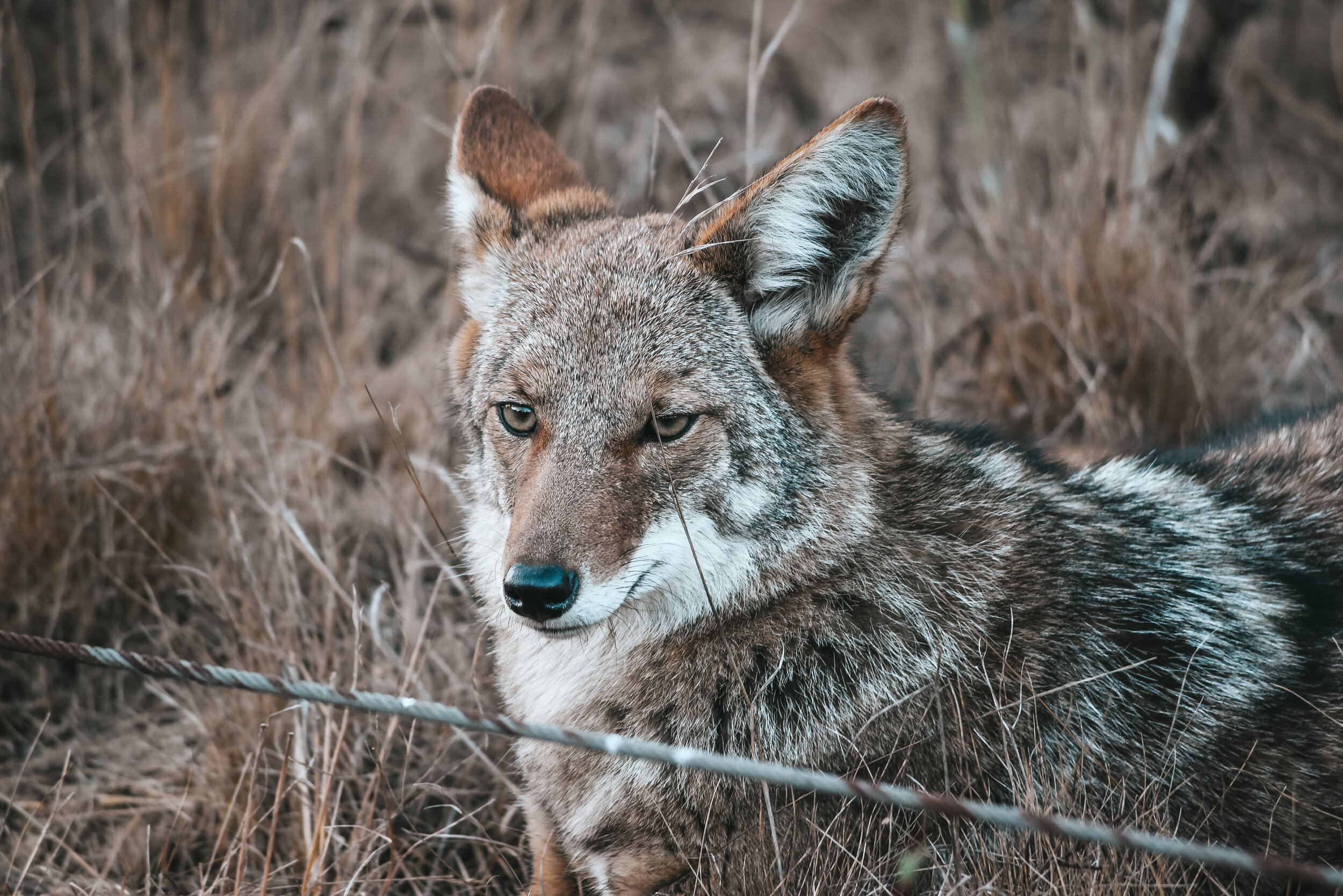
Moncler, an expensive Italian outerwear and accessories line known for quilted down, decided to send some animals down the runway in Paris. Some of the animals featured in their AW13/14 collection were on leash, and some roamed leashless through the audience. Others were killed and in the form of coats and accessories. People in faux-fur polar bear costumes hugged the models at the end of the show, and this over-the-top spectacle seemed like all fun and frivolity in the name of fashion. But, like many people who saw the show, something seemed odd. There is a glaring disconnect that Moncler shares with other brands determined to say relevant in the luxury arena: Why we adore some animals, and do things to others that would showcase a deep hatred? Why adore dogs, yet wear the pelts of countless other animals like fox and mink who spent their entire lives on fur farms, deprived of every evolutionary desire, then anally and vaginally electrocuted, gassed, poisoned or bludgeoned to death. Why celebrate polar bears, yet subject other fur bearing animals like coyote and lynx to the languishing death of a steel jaw trap or snare, when they spend days bleeding, dehydrating, and even attempting to chew off their own paw to escape? As I spoke about with Berluti’s recent show at Paris’ Museum Museum of Natural history, this is fashion carnsim:

“…it’s rare that an opportunity to connect these dots so obviously presents itself. Fashion carnism, like traditional carnism, is a dominant, violent ideology that, according to Dr. Melanie Joy ,”…need[s] to use a set of social and psychological defense mechanisms to enable humane people to participate in inhumane practices without fully realizing what they’re doing.”

Moncler_1
photo: Refinery 29

Aesthetic irrationality is when we rationalize an object strictly based on its aesthetic appearance. In this line of logic, pretty and handsome are seen as a “good” regardless of the production process. Here, a typical dead-pile at a fur farm in Russia, are the parts of the animals that did not make it onto the coats or into the show:


photo by Sergey Maximishin

In early 2011 Born Free USA and Respect for Animals conducted a landmark investigation inside the world of fur trapping. They uncovered shocking cruelty and brutality involved in the trapping of wild animals for the fur trade:

Most people do not see animals like a fox or raccoon as capable of valuing their own lives  – at least not enough to outweigh desires to wear them or make money on their pelts. Don’t get me wrong, if I was living off the grid in the arctic circle eating blubber, I’d have no problem wearing fur.  But I also wouldn’t have to worry about an insatiable fashion industry obfuscating my clothing and turning it into a symbol of power, or representing romantic native rationalizations of food and clothing. The truth is that most simply don’t need the fur to survive, that the most exciting innovations are happening in the realms of high-tech, sustainable synthetics, bio-printing, 3D printing, organic plant-based materials like Japan’s biodegradable poly and other bio-plastics. Fur is just bad design and it’s only a matter of time before it is phased out completely.

Tell Moncler how you feel by leaving a message on their Facebook wall.